ACADEMY / SOIL
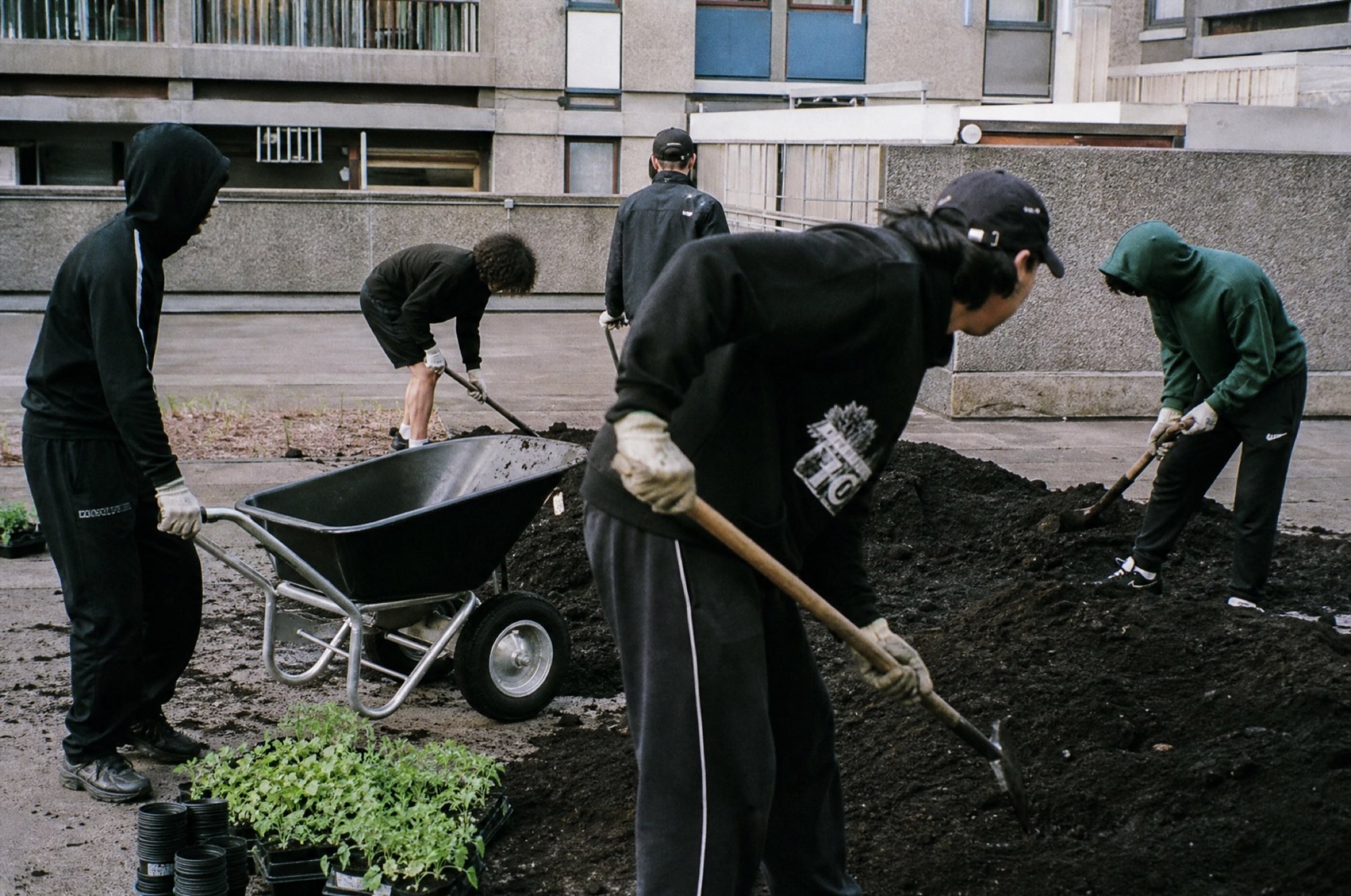
Dirt is not soil
Dead ground grows nothing. Here's how to tell what you're standing on and wake it up.
SOIL ◆ STARTER ◆ 5 MIN READ
Dirt is what's under your fingernails. Soil is a workforce: bacteria, fungi, worms, beetles, and a few billion other employees breaking down dead stuff and handing nutrients to roots. A single teaspoon of healthy soil holds more living organisms than there are people on the planet. Kill the workforce and you're just storing plants in brown powder.
First, figure out what you've got. Grab a handful, wet it slightly, and squeeze. If it ribbons like clay and stays in a tight ball, you have clay: rich in nutrients but slow to drain. If it falls apart instantly and feels gritty, that's sand: drains fast, holds nothing. The dream is loam - dark, crumbly, smells like a forest floor, holds its shape then breaks apart when poked.
Do the jar test if you want receipts. Fill a clear jar one-third with your soil, top up with water, shake hard, and leave it for 24 hours. Sand settles at the bottom in minutes, silt in hours, clay takes a day. The layers show you your actual ratio, no lab fees.
Check for life. Dig a hole the size of a shoebox and count worms. Five or more means your soil already has a crew. Zero worms in damp soil is a red flag - it usually means compaction, contamination, or ground that's been treated like a parking lot.
On city lots, test before you eat. Old paint, traffic, and industrial history leave lead and other metals in urban ground. A basic soil test from an extension service or lab is cheap insurance. If the numbers are ugly, don't panic - grow in raised beds or containers with imported soil and never look back.
Now the part that saves your back: don't dig. Tilling feels productive but it shreds fungal networks, wrecks soil structure, and wakes up dormant weed seeds. The no-dig move is to layer instead - cardboard over the weeds, then 10-15 cm of compost on top, then plant straight into that. The cardboard smothers what's below, the worms drag the good stuff down, and the structure stays intact.
Feed the soil, not the plant. Every season, top your beds with a few centimetres of compost and keep the surface covered with mulch. The workforce handles distribution. Your job is deliveries.
Field Notes
- 01Squeeze test: ribbons = clay, crumbles = sand, holds-then-breaks = loam.
- 02Five worms per shoebox-sized hole = your soil is alive.
- 03Urban lot? Lab-test for lead before you grow anything you'll eat.
- 04Cardboard + 10 cm compost beats a weekend of digging.
- 05Bare soil is dying soil. Mulch everything.
Learned it? Now do it.
Theory is cheap. Find a session near you and put your hands in it.