ACADEMY / CREW CULTURE
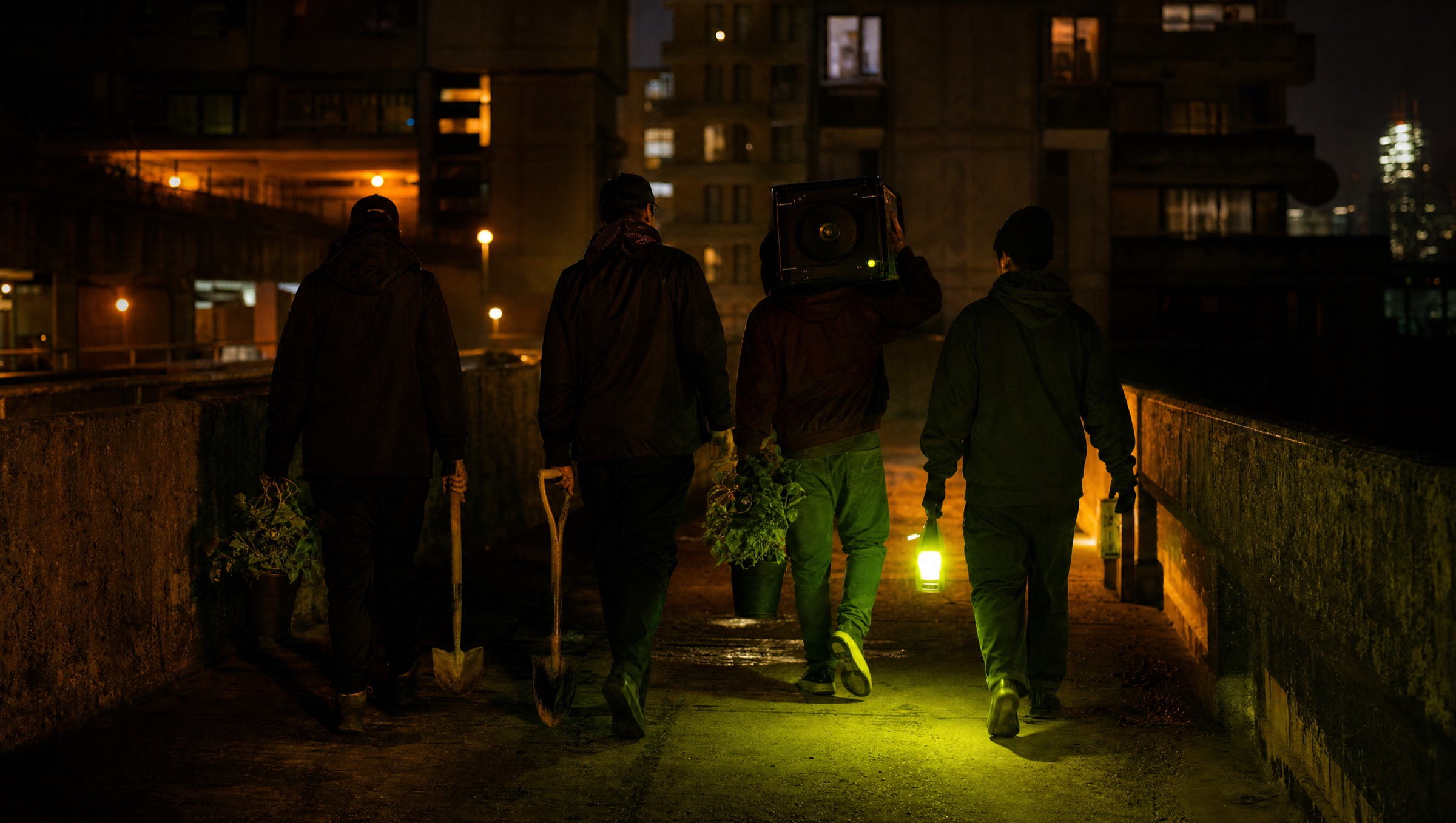
Run a session people come back to
One clear task, the right headcount, food, and a hard finish. That's the whole formula.
CREW CULTURE ◆ HOST ◆ 5 MIN READ
People come back to sessions that respected their time and gave them something to point at afterwards. They ghost sessions that were vague, overcrowded, or ran long. The difference is almost entirely in the planning you do before anyone arrives.
Post one clear task, not a vibe. 'Build two raised beds and fill them' beats 'help out at the garden' every time. A concrete task tells people what they're signing up for, what to wear, and what done looks like. It also gives the session a finish line, and finish lines are what make people feel like the afternoon counted.
Set the spot count for the work, not for the hype. Two beds to build is work for five or six people, not fifteen. Overbooked sessions mean half the crew stands around holding a shovel as a prop, feels useless, and doesn't return. It's better to cap low and run a second session than to burn ten people's Saturday on three people's work. Have one fallback job (weeding, turning compost, sieving soil) for early finishers.
Be ready before the start time. Tools out, materials on site, the task explained in two minutes flat. Nothing kills momentum like thirty people-minutes spent watching the host look for a screwdriver. If the task needs a demo - how deep to plant, how to layer a bed - do it once for everyone at the start instead of correcting people individually all afternoon.
Food is not optional. It doesn't need to be a spread - coffee and something baked, a crate of fruit, soup if it's cold. Eating together is where the crew part actually happens; the work is just the excuse. Budget for it like you budget for screws. If someone offers to bring food instead of digging, that's a full contribution, treat it as one.
Music: the host sets the speaker rules, and the default is one source, moderate volume, daytime hours. A session soundtrack is great; a volume war between three phone speakers is not. Take requests, share the aux, and read the sound-setup guide before you let anyone bring a real rig. Your neighbors' tolerance is crew infrastructure - spend it carefully.
End on time, and end with a moment. When the posted finish time hits, down tools even if there's more to do - especially if there's more to do, because 'we always run over' is how you lose your reliable people. Walk everyone past what got built, say the actual numbers (two beds, forty plants, one functioning compost bay), thank them, and tell them when the next session is. People return to things that visibly worked.
Field Notes
- 01One concrete task with a visible finish line. Not a vibe.
- 02Cap the headcount to the actual work. Idle hands don't come back.
- 03Tools out and demo done before the start time.
- 04Food is crew glue. Budget for it like materials.
- 05End on time, show what got built, announce the next date.
Learned it? Now do it.
Theory is cheap. Find a session near you and put your hands in it.