ACADEMY / SOIL
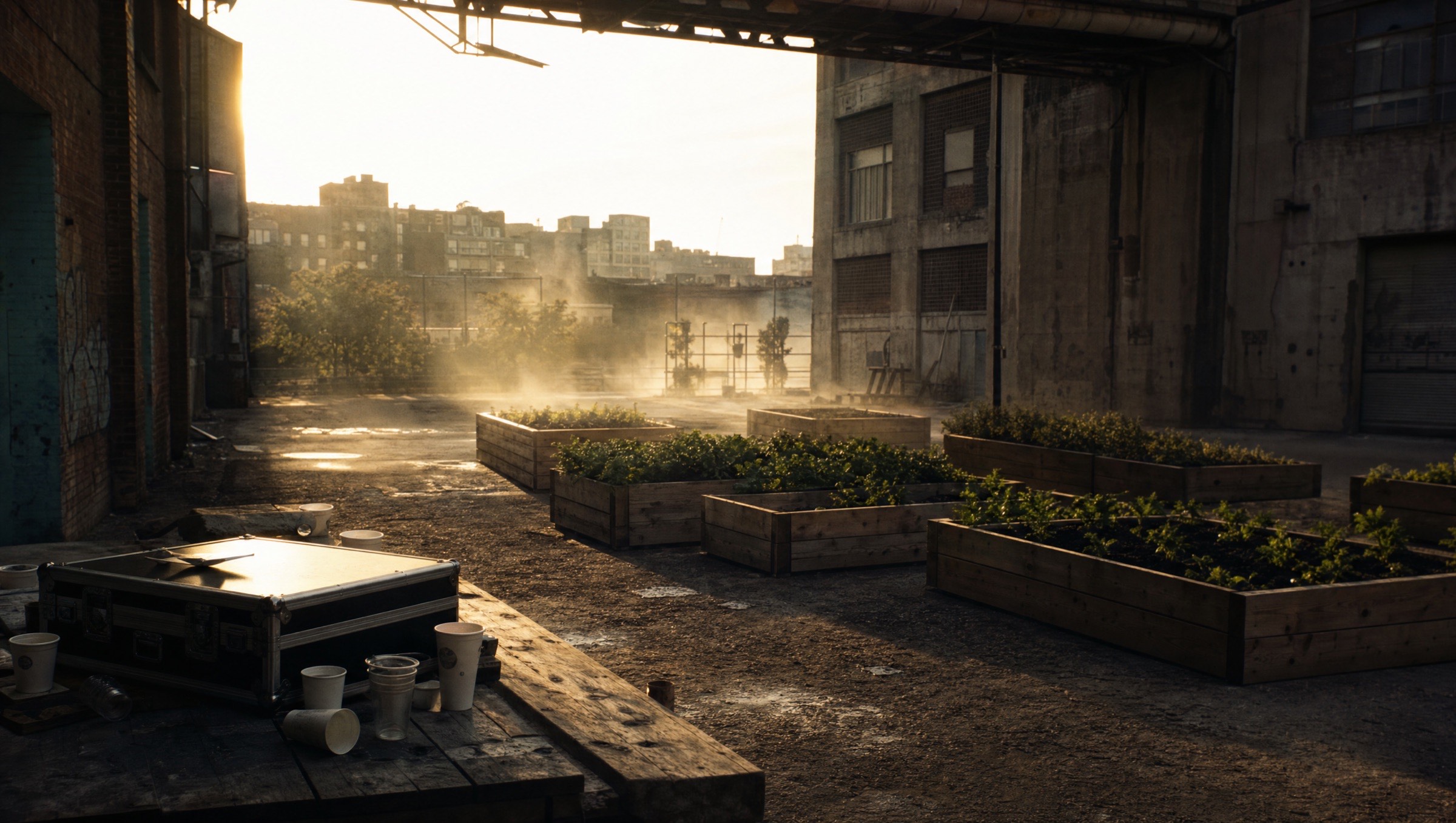
Rot like you mean it
Free soil food from stuff you were going to throw out anyway. The ratio is the whole game.
SOIL ◆ STARTER ◆ 5 MIN READ
Compost is controlled rot. You stack dead plant matter, microbes eat it, and a few months later you have dark crumbly material that makes everything grow better. It's the cheapest soil amendment that exists, and your kitchen produces the ingredients daily.
The whole craft comes down to two ingredients: browns and greens. Browns are carbon - dry leaves, cardboard, straw, shredded paper, wood chips. Greens are nitrogen - vegetable scraps, coffee grounds, fresh grass clippings, plant trimmings. Aim for roughly two to three parts browns to one part greens by volume. Too many greens and the pile turns into a stinking slime. Too many browns and nothing happens for a year.
Hot composting is the fast lane. Build a pile at least one cubic metre at once - size matters, small piles can't hold heat. Get the ratio right, keep it damp like a wrung-out sponge, and turn it weekly. The core hits 55-65°C, hot enough to kill weed seeds and most pathogens, and you get finished compost in two to three months.
Cold composting is the no-effort lane. Same ingredients, but you add as you go and never turn it. It takes six months to a year, and it won't kill weed seeds, but it asks nothing of you. Most crews run cold piles because nobody shows up to a session just to flip rot.
Some things never go in: meat, fish, dairy, oils, and cooked food draw rats. Dog and cat waste carries pathogens compost can't reliably kill. Diseased plants and weeds that have gone to seed only belong in a genuinely hot pile - if you're running cold, bin them. Glossy coated paper and anything plastic-lined doesn't break down.
If it stinks, it's telling you something. Ammonia smell means too many greens - stir in browns. Rotten-egg smell means it's waterlogged and airless - turn it and add dry material. A healthy pile smells like a forest after rain, even mid-rot.
It's done when you can't recognise the ingredients: dark, crumbly, earthy-smelling, and cool. Sieve out the chunky bits, throw them back in the next pile, and spread the rest on your beds a few centimetres deep. That's the whole supply chain.
Field Notes
- 012-3 parts browns to 1 part greens. Memorise it.
- 02Damp as a wrung-out sponge - not soaked, not dusty.
- 03No meat, no dairy, no oils, no pet waste. Ever.
- 04Stink = ammonia? Add browns. Stink = rotten egg? Turn it.
- 05One cubic metre minimum if you want a hot pile.
Learned it? Now do it.
Theory is cheap. Find a session near you and put your hands in it.